
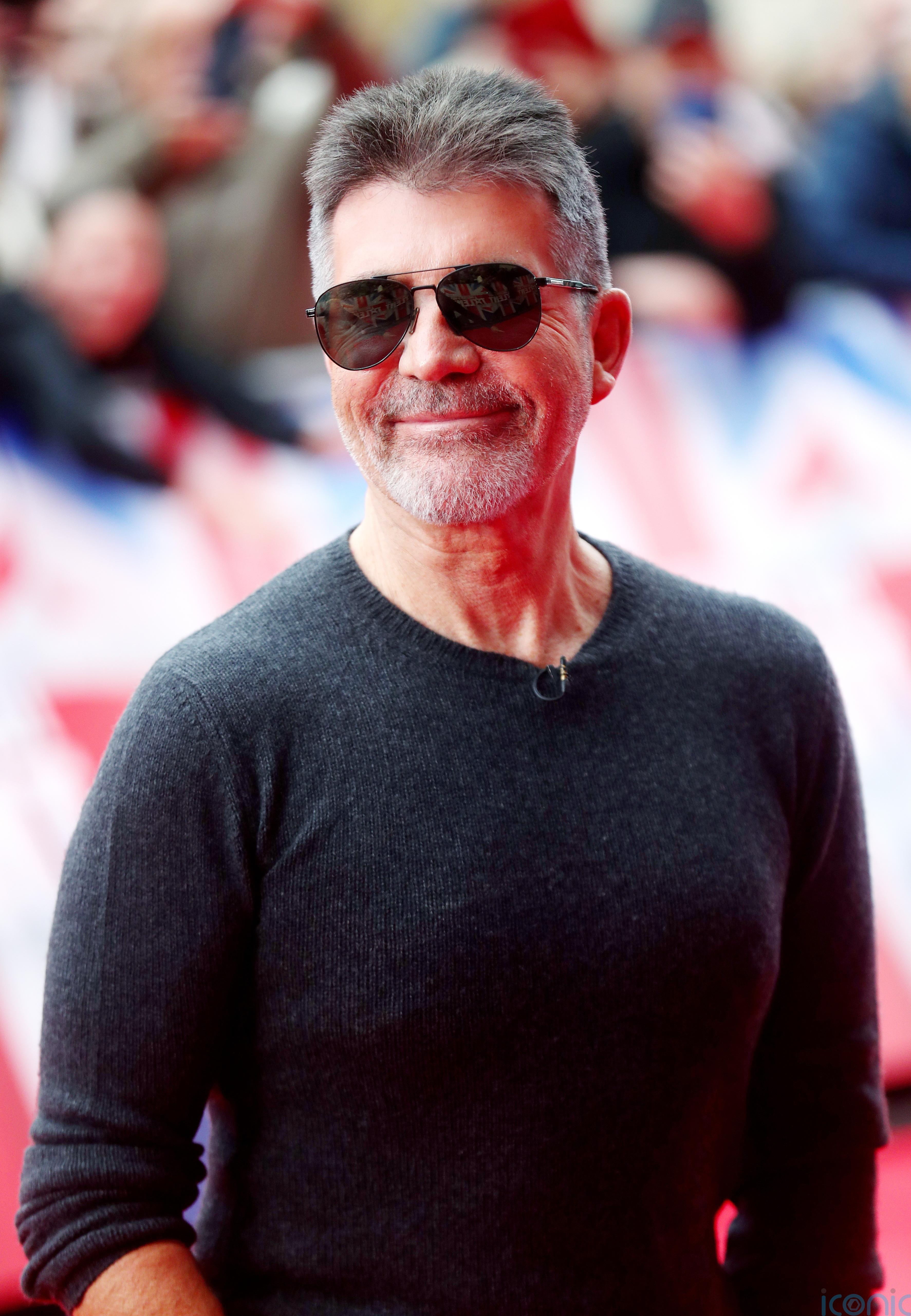
 There was a time when Simon Cowell didn’t just dominate the entertainment industry — he was the industry.
I remember it vividly. A shadowy corner of Mayfair’s Arts Club, back in 2013. One Direction had just conquered the BRIT Awards. The champagne was flowing. Journalists queued as if awaiting an audience with royalty. And there, basking in it all, sat Simon Cowell — preening, delighted, fully aware that the night, the band, and the moment all belonged to him.
Coldplay’s Chris Martin sat nearby, largely ignored. Nobody cared. This was Simon’s world, and the rest of us were simply orbiting it.
Fast forward to this week — and my phone is lighting up again. But this time, the tone is very different.
The messages aren’t celebratory. They’re anxious. Concerned. Even fearful.
Because Simon Cowell’s long-awaited comeback has landed… and it has landed badly.
 A Comeback That Cut Deep
 A Comeback That Cut Deep
His new six-part Netflix documentary, Simon Cowell: The Next Act, was meant to mark a return to form — a reminder of the man who built global pop empires and shaped modern television. Instead, it has been savaged.
One star from The Guardian. One from The Telegraph, which cruelly noted the series was “as flat as his hairdo.” The Independent was bleaker still, calling Cowell “a man out of time.”
Friends say the reaction has hit him hard.
“Simon is a control freak,” one former associate tells me. “He’s used to applause. This? This is devastating.”
And perhaps more worrying than the reviews is what they’ve reopened.
Old Wounds, Reopened
 Old Wounds, Reopened
Cowell’s attempted renaissance arrives at an awkward — and dangerous — moment. Because his return has reignited unresolved anger from those who believe they were chewed up and discarded during The X Factor era.
Katie Waissel, a finalist in 2010, publicly accused Cowell of presiding over what she described as a toxic, manipulative environment. Her comments — critical of the show’s pressures and emotional toll — briefly appeared online… before mysteriously disappearing.
Others remember their own scars.
Cheryl Cole, once Cowell’s golden girl, was abruptly dropped from the US version of The X Factor in 2011 — a humiliation that insiders say devastated her during an already painful divorce. She sued. She settled. And though she later returned, those close to her say the damage lingered.
Then there were the presenters — Kate Thornton, Dermot O’Leary — left dangling until the last moment, contracts signed or torn up like a power play. And whispers, always whispers, of fear behind the scenes.
Even journalists weren’t immune. I know this personally. One critical article in 2009 saw me banned from X Factor studios for years. Another in 2018 cost me an invitation to Cowell’s summer party. The message was always clear: praise was welcome; criticism came at a price.
And Now… Another Reckoning Looms
 And Now… Another Reckoning Looms
What truly has Cowell’s inner circle rattled isn’t just Netflix or Fleet Street.
It’s what’s coming next.
I’m told a separate documentary is in development — one focused not on Cowell’s comeback, but on The X Factor itself. A “warts-and-all” examination. Producers are already calling former contestants, judges, staff.
Simon has been approached. So have those who might defend him.
One name keeps coming up: Sharon Osbourne.
“She’s sharp. She’s formidable,” says a source. “And if anyone can push back against accusations, it’s Sharon.”
But if that documentary turns out to be as brutal as some fear, then this week’s criticism may feel like nothing more than a warm-up.
Because for the first time in decades, Simon Cowell isn’t controlling the narrative.
And that, more than any bad review, may be what truly terrifies him.