

The entertainment industry is no stranger to drama, but even by its own standards, few stories have ignited as much chaos, speculation, and heated debate as the sudden cancellation of The Late Show with Stephen Colbert—and the host’s fiery, unforgettable response. When CBS unexpectedly pulled the plug on one of its most recognizable programs, fans expected disappointment, maybe even a polite farewell. What they did not expect was Stephen Colbert unleashing one of the most blistering rebukes a late-night figure has ever directed toward a major network.
“You think you can silence me? No way! I will not stay quiet, and I am ready to fight to the end to protect my voice!” Colbert reportedly declared shortly after the announcement, his words echoing through both newsrooms and social media like a thunderclap.
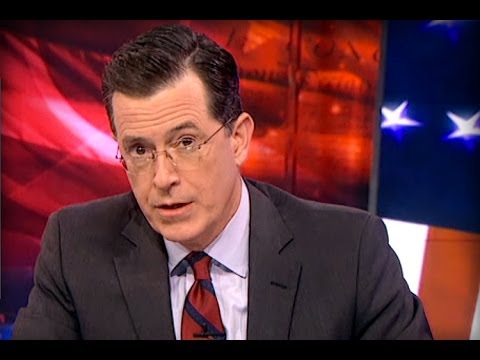
In an instant, a routine cancellation became a cultural earthquake.
A Sudden Decision That No One Saw Coming
The cancellation alone would have been headline news. Colbert wasn’t just another talk-show host; he had been a nightly fixture in American households for nearly a decade. His mix of political commentary, razor-sharp wit, and fearless satire made him an indispensable voice during some of the most turbulent years in modern U.S. history.
CBS offered no detailed explanation—just a curt, clinical announcement citing “strategic programming changes.” But insiders claim the atmosphere behind the scenes had been tense for months, with creative disagreements simmering between the host and network executives.
If that was true, the tension finally exploded—and the world got a front-row seat.
Colbert’s Defiance: A Message Heard Around the Industry
Colbert’s immediate reaction was not quiet diplomacy or corporate politeness. It was a battle cry.
“They think they can make me quiet—they’re wrong,” he reportedly told colleagues and staff members, words that spread across the internet like wildfire. Whether one agrees with his politics or not, Colbert’s unwavering stance on speaking freely—especially on topics some networks find uncomfortable—has long been part of his brand.
But this was something else. This was personal. This was a warning shot.
In an industry increasingly known for cautious messaging, Colbert’s refusal to soften his words struck a nerve. Commentators began dissecting not just the cancellation, but what it symbolized. Was this a clash over content? Political pressure? Corporate discomfort with his outspoken monologues?
Whatever the cause, Colbert was making one thing clear: his voice would not be muted by a boardroom decision.
The MSNBC Rumor That Set the Media Sphere Ablaze
Then came the twist—one that took the already-raging conversation and turned it into a wildfire.
Multiple insiders claimed Colbert was in preliminary discussions with MSNBC, the cable network known for its bold political commentary and primetime opinion programming. The mere possibility instantly redefined the narrative. This wasn’t a career setback. This wasn’t even just a controversial exit.
This was a media showdown in the making.
If Colbert were to join MSNBC, it would represent one of the most dramatic shifts in modern television history: a late-night king stepping directly into the world of cable political analysis. Not only would it reshape his career, it could trigger a ratings war between two of America’s most influential media giants.
That possibility was all the public needed to erupt into speculation. Social feeds turned into battlegrounds of predictions. Television analysts scrambled to assess what such a move would mean. Even longtime network hosts weighed in, calling the potential defection “a tectonic shift” and “the biggest talent shock since the Leno-Letterman wars.”

MSNBC declined to comment. CBS offered silence. Colbert himself remained cryptic—neither confirming nor denying the rumor, only fueling the frenzy.
A Career Reinvention or a Declaration of War?
If Colbert’s next move is indeed toward MSNBC, it would represent more than a new job title. It would be a rebirth—an opportunity to speak even more boldly, freed from the expectations and restrictions of broadcast network television.
And it would force CBS to confront an uncomfortable possibility: their decision may have inadvertently created their own biggest competitor.
Industry strategists are already imagining what a Colbert-fronted MSNBC primetime program might look like. Would it blend comedy with political analysis? Would it resurrect the spirit of The Colbert Report? Would guest appearances become a new forum for the country’s most contentious debates?
More importantly, how many viewers—particularly younger, politically engaged ones—would follow him?
CBS, meanwhile, faces a far darker question: how many might leave them behind?
Freedom of Speech on Trial
While some argue the drama is simply show business at its most chaotic, others see something deeper simmering beneath the headlines: a confrontation over freedom of speech in modern television.
Comedy has always pushed boundaries. But in recent years, networks have become increasingly cautious, often tightening their guidelines around political commentary. The tension between corporate interests and comedic expression has never been higher.
Colbert’s rebellion, then, becomes more than personal outrage—it becomes symbolic. His refusal to “stay quiet,” as he put it, raises a question that many hosts, comedians, and writers have quietly wondered:
Do networks still want outspoken voices, or only voices that make them comfortable?
By refusing to exit gracefully, Colbert has forced that debate into the public spotlight. The rest of the industry is watching—and talking.
A Nation Waiting for Colbert’s Next Move
One thing is certain: Stephen Colbert is at a crossroads, and whatever he chooses to do next could reshape the television landscape.
Will he join MSNBC and spark the media war insiders are already whispering about?
Will he launch an independent platform, free from all network constraints?

Or will he craft something entirely unexpected—a new form of political entertainment that the industry has never seen before?
Every option is on the table, and every possibility carries massive implications.
What began as a surprising cancellation has transformed into a national spectacle, with audiences hanging on every rumor, every whisper, every clue about where Colbert will land next.
For now, the only person who knows the answer is Colbert himself—and he is playing his cards very, very carefully.
The Bottom Line: The Showdown Has Just Begun
Stephen Colbert may have lost a show, but he has not lost his microphone, his audience, or his resolve. If anything, the network’s decision has amplified his voice louder than ever.
The cancellation that was supposed to silence him has instead ignited one of the biggest media storms in recent memory. And as fans, critics, networks, and political commentators wait in suspense, one thing is absolutely clear:
Stephen Colbert is far from finished.
In fact, this might just be the beginning of the biggest chapter of his career.