
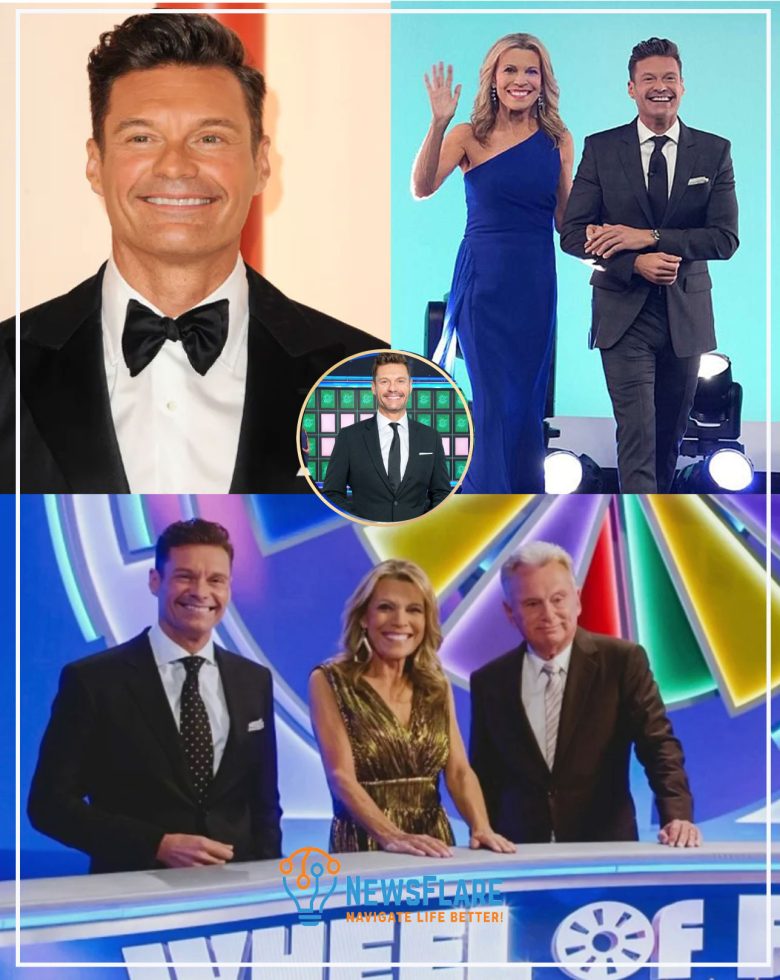
For more than four decades, Wheel of Fortune has been one of the safest institutions in American television. Familiar. Predictable. Comforting. A nightly ritual passed from grandparents to parents to children.
Until now.
With Ryan Seacrest stepping into the hosting role and Vanna White remaining as the final living bridge to the show’s golden era, Season 43 doesn’t just feel like a simple transition.
To many viewers and industry insiders, it feels like a controlled demolition and rebuild happening in real time.
And one unsettling question keeps echoing louder with every teaser:
Was Ryan Seacrest chosen to protect Wheel of Fortune…
or to transform it into something entirely different?
One man. too many shows. too much power?
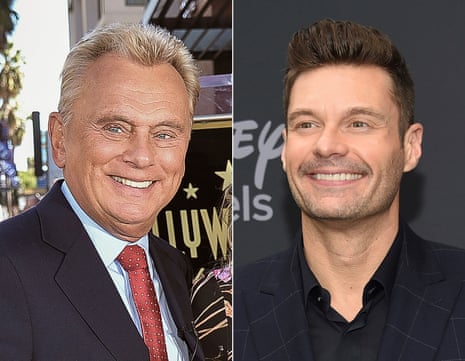
Ryan Seacrest is no stranger to reinvention — but his current footprint on American television is nearly unprecedented.
At the same time, he is:
-
The face of American Idol
-
A former anchor of Live with Kelly and Ryan
-
The voice behind radio empires
-
The producer behind multiple reality franchises
-
And now… the new host of one of the most powerful game shows in history
For fans, that raises an uncomfortable possibility:
Is Hollywood concentrating too much control into one single figure?
For decades, game shows thrived on separation of power — different hosts, different identities, different audiences. Seacrest’s arrival collapses that distance.
Now, the same man who shaped the careers of pop stars and daytime talk giants is positioned to quietly reshape one of the last untouched pillars of classic television.
The quiet goodbye of Pat Sajak — and what it really signaled
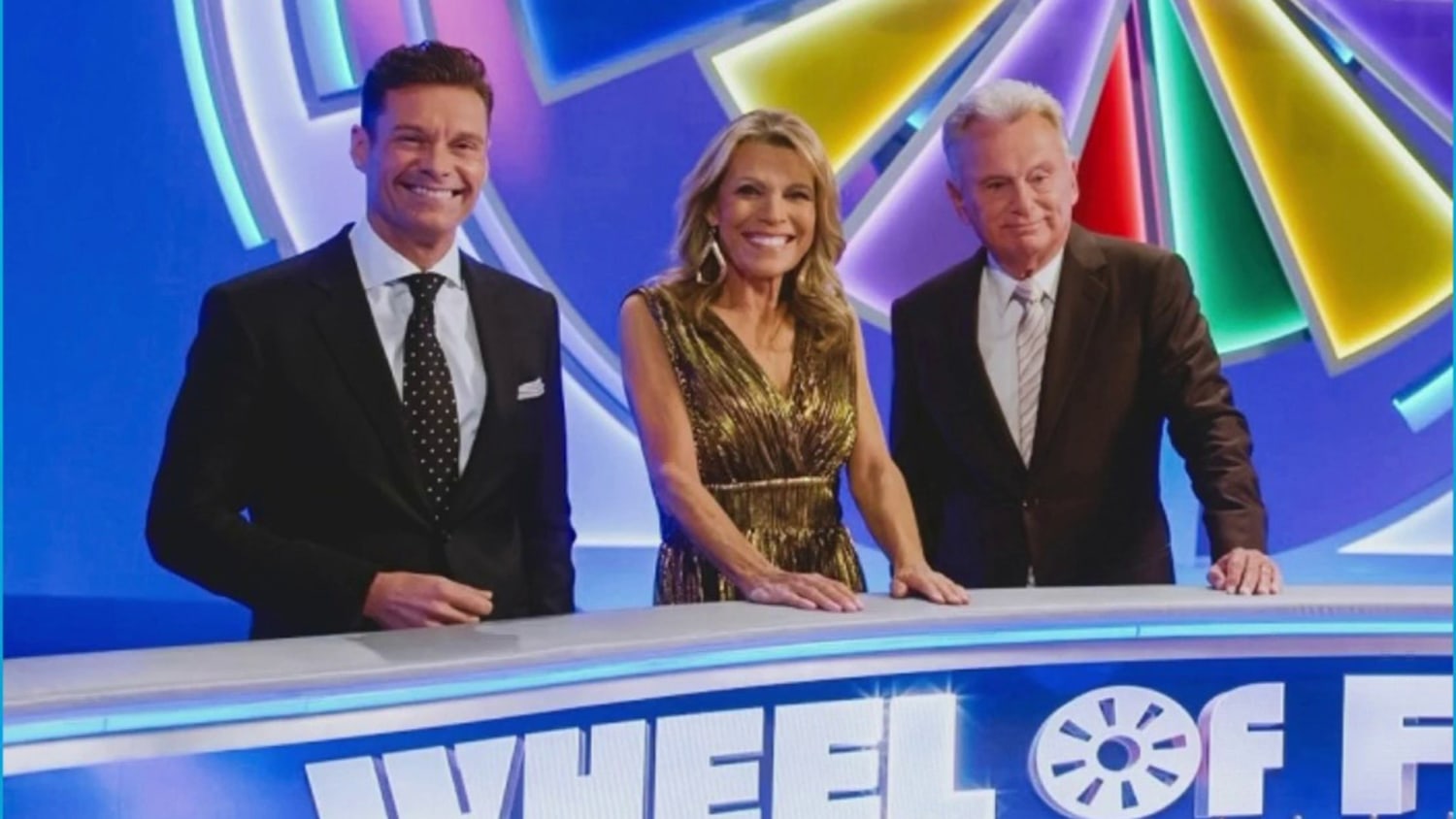
When Pat Sajak announced his retirement, the goodbye was warm. Polite. Almost gentle.
But behind the smiles and tributes, the reality was seismic:
The longest-running male host in American TV history was stepping aside.
His departure wasn’t just the end of a contract.
It was the removal of a human firewall that had protected Wheel of Fortune from modern upheaval.
For years, Sajak represented:
-
Stability
-
Resistance to trend-chasing
-
A refusal to aggressively modernize
Once he left, the door opened instantly.
And Seacrest walked through it.
Is Wheel of Fortune being forced to grow up… too fast?

For decades, Wheel of Fortune thrived precisely because it did not chase youth culture.
Now suddenly:
-
Social-media-first marketing
-
Digital viewer participation
-
Viral puzzle trends
-
Youth-skewing promo campaigns
The show is clearly being repositioned.
Quietly. Strategically.
Aggressively.
Industry watchers now question whether:
-
The goal is to save ratings
-
Or to completely rebrand Wheel for a younger generation at all costs
And at the center of that transformation stands Ryan Seacrest — Hollywood’s most proven engine for youth-driven media shifts.
And where does Vanna White stand in all of this?

To the public, Vanna White’s continued presence feels like comfort.
To insiders, it feels like strategic insurance.
She is:
-
The only remaining emotional link to the classic era
-
The emotional anchor for older viewers
-
The unbreakable symbol of continuity
But her presence also raises a deeper question:
Is Vanna the bridge to protect the past…
or the shield behind which a total transformation is quietly taking place?
A calculated transition, not a coincidence?
Some fans still believe Seacrest was chosen simply because he is charismatic, polished, and experienced.
Others see something far more deliberate:
-
A media figure with platform dominance
-
An audience crossover machine
-
A brand strong enough to survive backlash
-
A face already trusted across generations
When you position Ryan Seacrest inside Wheel of Fortune, you are not hiring a host.
You are installing a cultural pivot point.
The audience feels it — even if they can’t explain it
:max_bytes(150000):strip_icc():focal(749x0:751x2)/ryan-seacrest-vanna-white203-09092024-d0d24b6544c44937bf269d51962ac590.jpg)
Across social media, reactions remain deeply divided:
-
Some viewers are excited by the refresh
-
Others quietly mourn the loss of institutional stability
-
Many simply say: “It doesn’t feel the same anymore”
That feeling is powerful.
Because Wheel of Fortune was never about shock.
It was about certainty.
And certainty is now gone.
Is this evolution… or the beginning of the end?
Television history is filled with shows that survived bold reinvention.
It is also filled with giants that collapsed under forced modernization.
Ryan Seacrest now carries:
-
The pressure of legacy
-
The weight of nostalgia
-
The danger of overexposure
-
And the expectations of two entirely different generations
If he succeeds, Wheel of Fortune may thrive for another 20 years.
If he fails…
The collapse will be loud.
The transformation has already begun
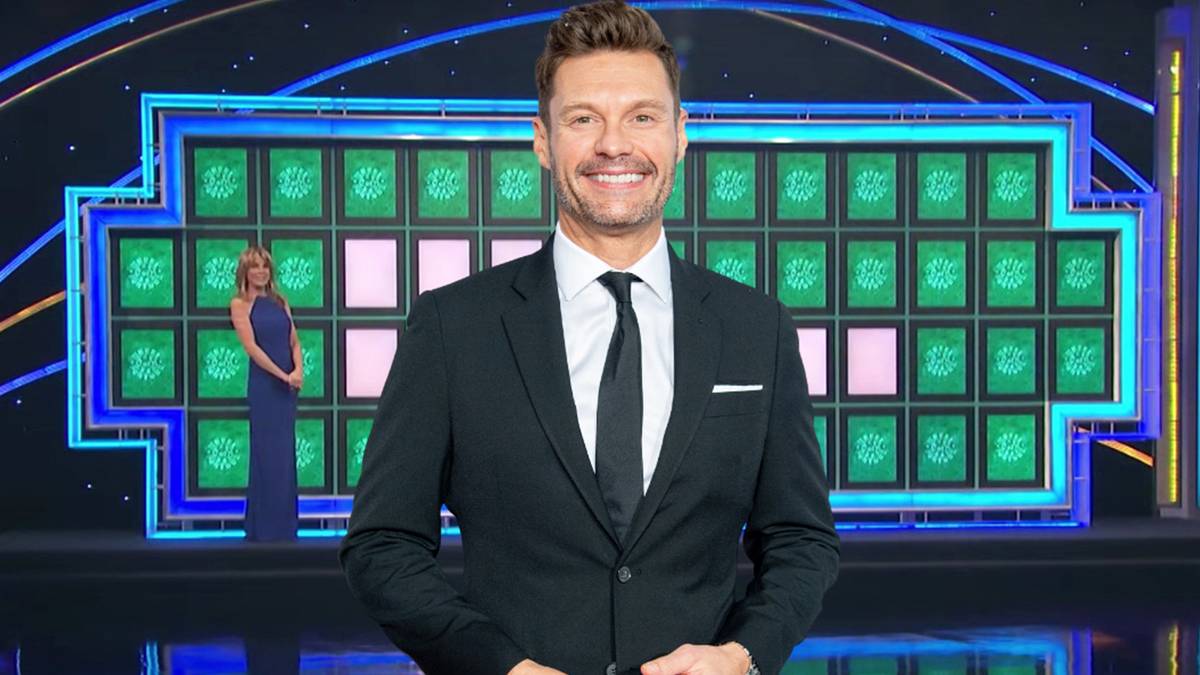
One thing is no longer up for debate:
Wheel of Fortune is no longer protected by tradition alone.
It is being repositioned.
Reengineered.
And potentially repurposed for a future its original creators never imagined.
Ryan Seacrest stands at the center of that shift.
Not as a villain.
Not as a savior.
But as the most powerful symbol of what television has become.
A question that may define the next decade of game shows
Years from now, audiences may look back at Season 43 as:
-
The moment Wheel of Fortune found new life
-
Or the moment it quietly began to fade
And the question will remain frozen in time:
Was Ryan Seacrest chosen to save Wheel of Fortune…
or to replace it?