
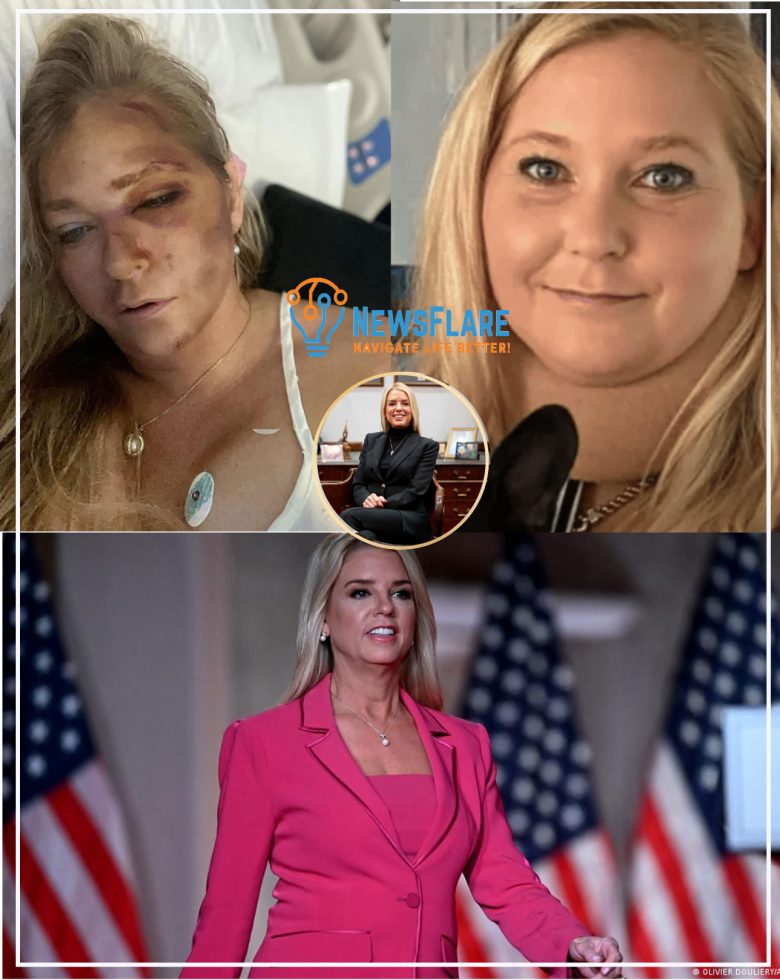
In an unprecedented turn of events that has left the music world and Hollywood reeling, U2—the globe’s most iconic rock band—has publicly criticized former Florida Attorney General Pam Bondi, joining a chorus of legendary musicians who have dared to speak truth to power. Following in the footsteps of George Strait and Mick Jagger, Bono delivered a searing statement that has already sent shockwaves across social media and beyond:
“When the vulnerable are abandoned, silence is not an option.”

It was a moment that seemed almost cinematic. Fans watching live streams and news updates described Bono’s appearance as charged with intensity, a mix of righteous anger and heartfelt compassion. For decades, U2 has been synonymous with activism, from fighting global poverty to advocating for human rights—but this statement marks one of the most politically bold moves in the band’s history.
Three Generations, One Voice
The cultural significance cannot be overstated. George Strait, the country music titan; Mick Jagger, the Rolling Stones legend; and now Bono, the face of U2, have effectively formed what some are calling a “cultural triangle”, uniting three generations of musical influence to challenge one of the most powerful figures in American law and politics.
Hollywood insiders are already whispering about the unprecedented pressure this trio exerts simply by aligning publicly. For decades, Pam Bondi, a former Attorney General of Florida, has faced criticism for consistently defending the wealthy and powerful—often at the expense of the marginalized and vulnerable. Bono’s statement signals a new era in celebrity activism, where music legends are willing to directly call out systemic injustice.
Social media erupted instantly. #U2, #Bono, #PamBondi, and #StandForTheVoiceless began trending globally within minutes. Fans and activists alike flooded Twitter, Instagram, and TikTok with questions, theories, and declarations of support.
The Announcement That Stopped Fans in Their Tracks

Just when the world thought the story couldn’t get any more shocking, U2 dropped a bombshell: a global charity event titled “STAND FOR THE VOICELESS — Live for Hope.”
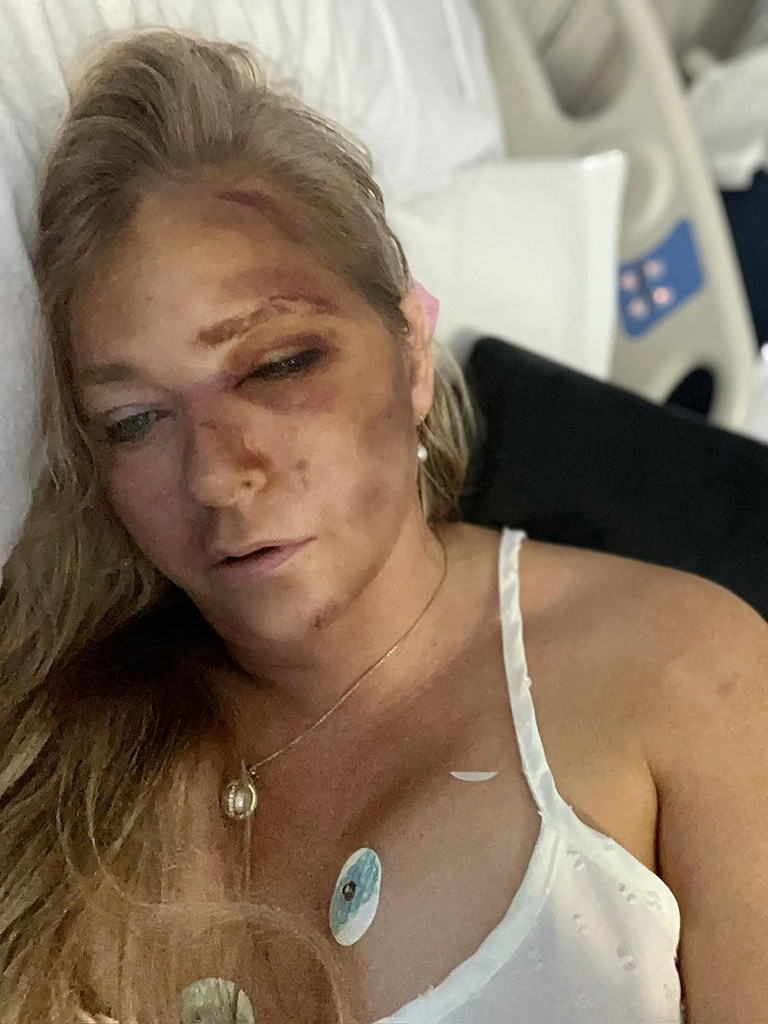
This is not just a concert; it is a movement. All proceeds from the event will go directly to those who have been overlooked, marginalized, or silenced—people whose circumstances echo some of the most notorious cases of systemic injustice in recent years, including the struggles faced by Virginia Giuffre and others who have suffered in the shadows of power.
Bono, never one to shy away from using music as a platform for advocacy, declared:
“If they don’t have a voice, we will sing for them.”
The words reverberated around the globe, instantly elevating the event from a charity concert to a potential cultural watershed moment. Fans began speculating that this could spark a larger movement in Hollywood, one where the entertainment industry may finally hold the powerful accountable without fear.
Why Now? The Timing That Has Everyone Talking
Questions immediately surfaced: Why did U2 choose this exact moment to speak out? Some analysts suggest that the band has been quietly monitoring the intersection of politics, celebrity, and justice—and they concluded that now was the time to act, when public awareness is at a fever pitch.
Others speculate that recent legal revelations, social movements, and renewed conversations about accountability in Hollywood created the perfect storm for this statement. Bono’s timing is deliberate, calculated, and undeniably bold.
The move also places Pam Bondi squarely in the spotlight once again. While she has long defended the powerful and remained largely silent on controversies involving high-profile figures, the collective pressure from music’s elite may force a public response. Will Bondi finally address these criticisms—or will she maintain her silence, risking further public outrage?
Social Media Eruption: Fans, Critics, and Conspiracy Theories
As expected, social media has been an unrelenting storm. Twitter users flooded timelines with hashtags such as #StandForTheVoiceless, #U2, and #Bono, sparking heated debates. Some fans praised the band for their courage and unwavering advocacy for the vulnerable. Others questioned the motives, suspicious that the timing might coincide with the band’s upcoming tour or other promotions.
Meanwhile, conspiracy theories began circulating online—some claiming that this “cultural triangle” is only the beginning of a coordinated challenge to entrenched Hollywood power structures. Analysts have noted that when figures from multiple generations unite publicly, it often signals a shift that transcends the music industry, reaching into politics, media, and global culture.
A Movement in the Making?
The announcement of “STAND FOR THE VOICELESS — Live for Hope” is more than a one-night event. Early reports suggest that U2 plans to involve multiple artists, activists, and global leaders in a sustained campaign aimed at advocating for the voiceless.

This could reshape the conversation in Hollywood and beyond. For decades, the entertainment industry has faced criticism for turning a blind eye to abuse, exploitation, and systemic injustice. Now, with some of the most influential figures in music speaking out and taking tangible action, there is a chance for real change.
Experts predict that if executed successfully, the event could become a blueprint for celebrity activism—proving that fame and influence can be leveraged not just for charity, but for accountability, transparency, and social justice.
The Stakes Are High
The stakes could not be higher. Bono, George Strait, and Mick Jagger have spent decades carefully cultivating their public images. Aligning themselves against a figure like Pam Bondi, known for her political clout and controversial history, carries risk—but the potential cultural payoff is enormous.
For U2 fans, this is a reaffirmation of the band’s long-standing commitment to human rights. For Hollywood and the public at large, it raises uncomfortable but necessary questions: Can the powerful be challenged openly without fear of retribution? Can music truly influence justice in the 21st century?
Pam Bondi’s next move will be watched closely. A response, acknowledgment, or even a defensive statement could become a headline-grabbing story that dominates news cycles. Conversely, silence could be interpreted as tacit admission, potentially sparking further outrage and amplifying the impact of U2’s campaign.
A Global Stage for Change
The phrase “Live for Hope” is no accident. U2 has long used their platform to spotlight global issues, from poverty to disease to human rights abuses. Now, they are focusing that same lens inward—toward their own culture, their own industry, and their own government.
Fans worldwide are already mobilizing. Social media campaigns, fan petitions, and online discussions about justice and accountability are multiplying. The band’s decision to go public may catalyze a wave of activism far beyond what anyone anticipated.
Conclusion: A Moment the World Will Remember
One thing is certain: U2 has changed the conversation. By joining forces with George Strait and Mick Jagger to challenge Pam Bondi and to advocate for the vulnerable, Bono has ensured that music and activism remain inseparable.
This is more than a story about a band taking a stand—it’s a cultural flashpoint, a moment that could redefine the relationship between power, celebrity, and accountability.
The world is watching, and Hollywood, for once, may have no choice but to listen.